
How Bureaucratic Failure Drove a Tenant From Her Home; A Case Study in Broken Promises in Greensboro, North Carolina
She Followed the Rules. The City Didn't.

When a city’s housing code enforcement system fails to follow its own rules, the most vulnerable residents pay the price. The story of a tenant at 3304-G Trent St. is not just about faulty plumbing, a damaged floor or broken steps, it’s a textbook case of how procedural delays and administrative discretion can undermine the entire purpose of tenant protection, ultimately leading to displacement.
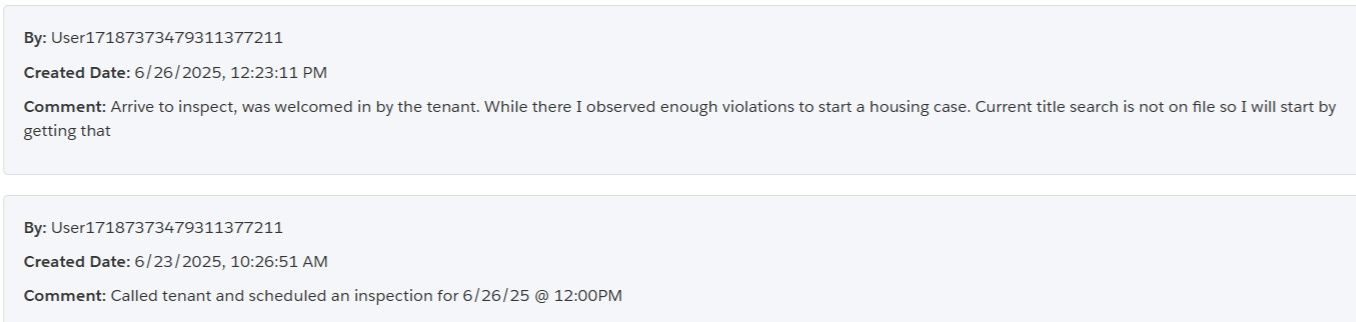
The tenant, who welcomed a code inspector into her home on June 26, 2025, did everything right.
https://greensboro.my.site.com/ces/s/explore-casedetails?caseId=500Vq00000N6qwSIAR
She reported violations, cooperated with the inspection, and waited for the system designed to protect her to swing into action.
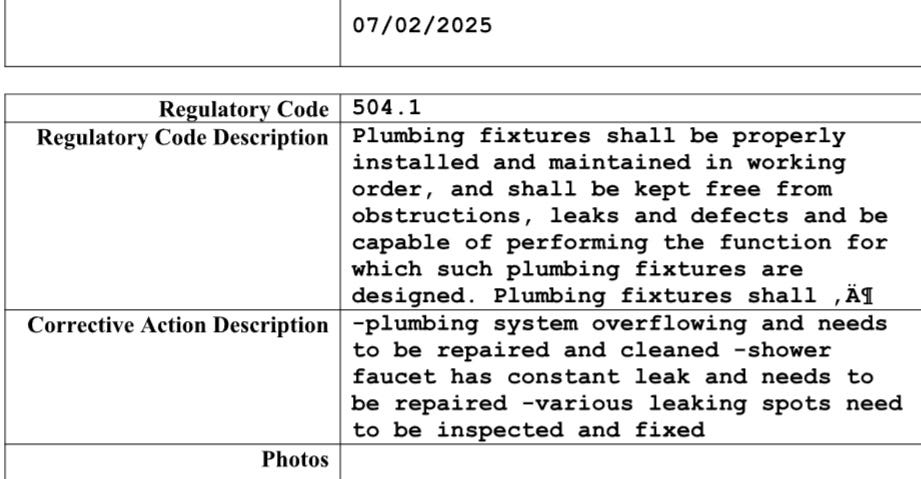
Instead, she encountered a maze of delays that rendered the process meaningless. By December 2025, with critical repairs still unaddressed, she made the only decision left; she moved out. The trail of documentation reveals that the city is squarely to blame for this outcome.
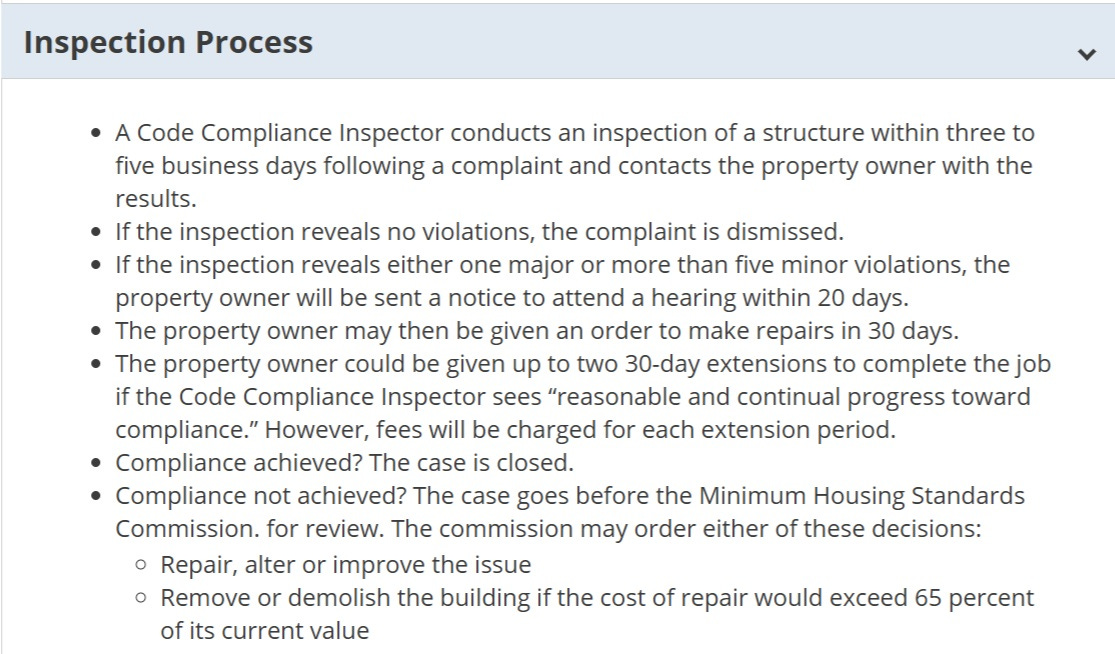
The city’s stated process is clear; inspect, notify, order repairs, and, if compliance fails, escalate to the Minimum Housing Standards Commission for action. This process exists to be a shield for tenants. In this case, it became a shield for the landlord.
https://www.greensboro-nc.gov/departments/executive/code-compliance/minimum-housing-code
The tenant lived for months with documented hazards. The system’s glacial pace and ultimate failure to enforce its own procedures communicated a devastating message; her right to a safe home was not urgent enough to prioritize. Her decision to leave was not a choice made from options, but a surrender to a system that had already abandoned its duty to her. She was not alone;
A Timeline of Institutional Failure
The city’s failure was not a single error but a series of compounding delays and misapplications of policy.
After a hearing on July 24, 2025, the city’s rules call for an Order to Repair (OTR) to be issued “promptly.” Instead, the city waited. The OTR was not issued until October 20, 2025, nearly three months later. This bureaucratic stall gifted the landlord 86 unearned days of inaction and stole from the tenant three months of safety and peace of mind. The repair clock did not even start until late fall.
The OTR expired on November 19, 2025, with work incomplete. The city’s own manual dictates the next step: “Compliance not achieved? The case goes before the Commission.” Yet, the city did not refer the case. Instead, it continued “checking in,” allowing the violation of its own order to stand without consequence.

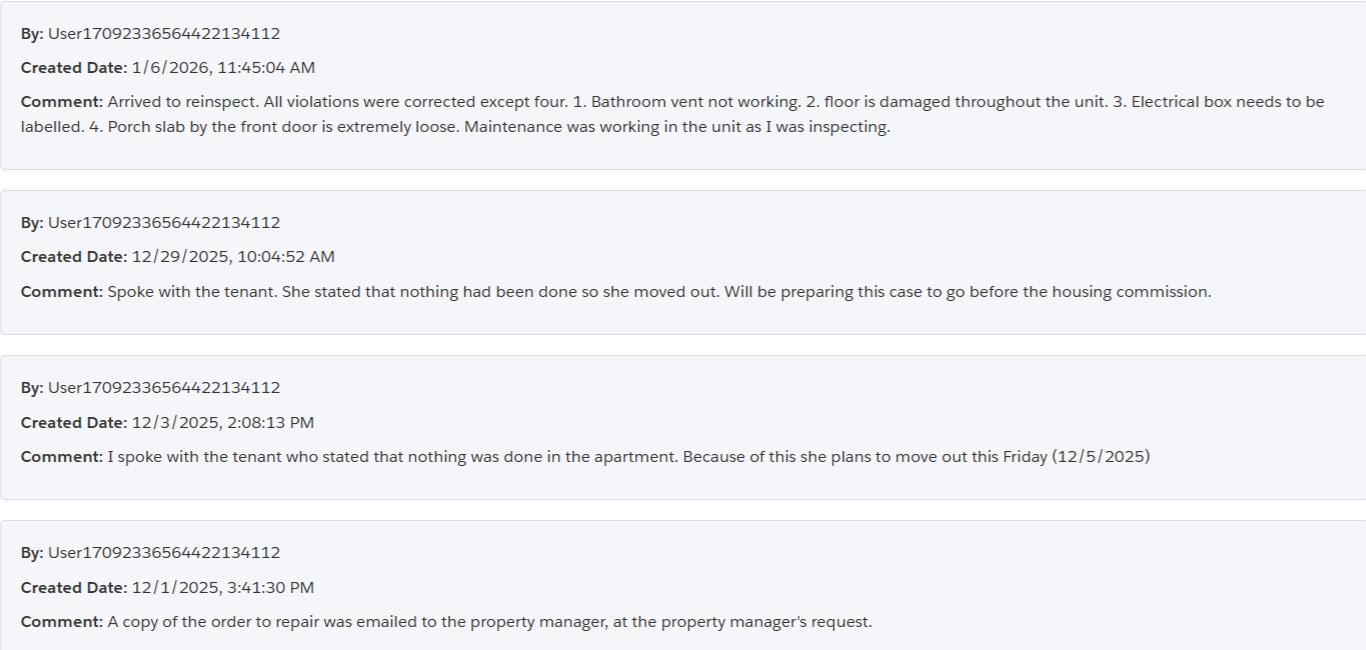
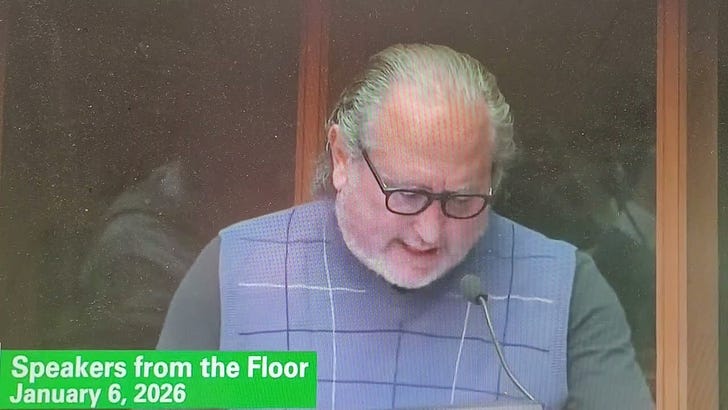
On January 6, 2026, an inspector confirmed four violations remained. On January 20, it closed the case, declaring it now “falls below the 6 minors one major threshold.” This reasoning is a profound distortion of the process. The threshold is for starting enforcement, not for abandoning it after the tenant moved out at her own cost. The city, in effect, changed the rules at the expense of the tenant for the benefit of the landlord.
When deadlines are suggestions and enforcement is optional, the code ceases to be law and becomes a suggestion. The message to landlords is clear; delay is a viable strategy. The message to tenants is clearer; you cannot rely on the city to protect you as a taxpayer.

Accountability is missing. The city’s procedures have no apparent mechanism to audit why an OTR was issued months late or why a case was closed contrary to written policy. Without this, failures are not corrected; they are simply repeated on the next tenant, at the next address.
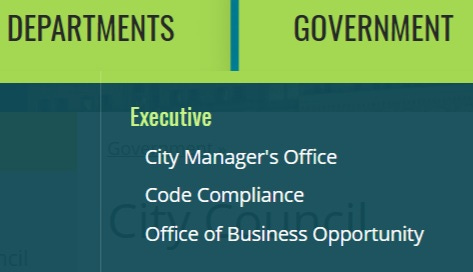
The issues unaddressed by the City of Greensboro’s Code Compliance staff, is listed under the Executive Department, which seems unusual, which is led by City Manager Trey Davis;
The tenant at 3304-G Trent St. is no longer there to advocate for herself. She was forced to become her own solution. The city’s role should be to ensure no tenant is ever placed in that position. By every measure of its own process, it failed. Until the city fixes its broken enforcement machinery and treats its timelines and rules as binding commitments, more tenants will be left with the same impossible choice; live in unsafe conditions or lose your home. The blame for that displacement lies not with indifferent landlords alone, but squarely with the city offices that refuse to wield the power they were given to prevent it.
Related;


Disclaimer of Liability; This investigative report is based on a review of the public record for City Code Enforcement Case 25-002937. While every effort has been made to accurately represent the sequence of events and citations from the case file, the article contains analytical opinions and interpretations. The city, property owner, tenant, and any other named parties may have perspectives not fully captured herein. The author and publisher are not responsible for any errors or omissions, nor for any outcomes resulting from the publication of this article. This content is presented for informational and public interest purposes only and should not be relied upon as legal or professional advice.
This is a clean example of how systems can remain procedurally active while losing the ability to actually correct harm. The rules exist, the paperwork moves, and the system stays operational, but the binding between process and consequence quietly disappears. From the tenant’s perspective nothing failed loudly, which is exactly why the outcome feels so devastating and so hard to contest.
What is the remedy?