
How Greensboro City Manager Trey Davis Dismantled Housing Code Enforcement
Stalled cases and budget cuts exposed a system designed to fail.

City data and budget documents reveal a shocking truth; Greensboro’s housing code enforcement system has been deliberately sabotaged. A years-long campaign driven by City Management, it’s Legal Department and developer interests, has methodically gutted protections, leaving thousands of renters, particularly in low-income communities, trapped in unsafe and unhealthy conditions.
Summarized at Greensboro’s January 6, 2025 City Council meeting;
Three layers;
1; The Data of Breakdown
We analyzed the city’s own list of over 330 open “Active” housing code cases per the City’s website (was 381 in December before The District was evacuated and lights started shining);
https://greensboro.my.site.com/ces/s/explore
The data paints a picture of a system in catastrophic dysfunction.
A Surge of Neglect; Of these cases, about ~124 (36.9%) are multifamily housing, apartments and complexes, which were purposefully withheld from Greensboro’s Citizen led Minimum Housing Standards Commission (MHSC). Critically, ~84.7% of these multifamily cases were filed since 2023, meaning the rest have languished for years.
The Eternal “In Progress”; The city’s official timeline for resolving a complaint is 115 days. We found many cases from early 2024 still open, a major red flag indicating systemic breakdown, which very looks like intentional disrepear.
Ground Zero; Greensboro Districts 1 & 2; The caseload is heavily concentrated in City Council Districts 1 and 2, which bear nearly ~75% of all open cases, in the poorest part of Greensboro; mostly rental properties.
This data isn’t just a backlog, it’s a registry of unresolved hazards; mold, electrical faults and structural issues many of our neighbors live with as the system designed to help them was turned off, on purpose.
Layer 2; Financial Strangulation
Budget documents for Fiscal Year 2025 reveal a staggering decision; the “Code Compliance” budget was slashed from an original $2.6 million to a final $1.49 million, a 43% cut, unlike any other expenditures. Actual expenses came in $98,199 less, leading to predictable results;
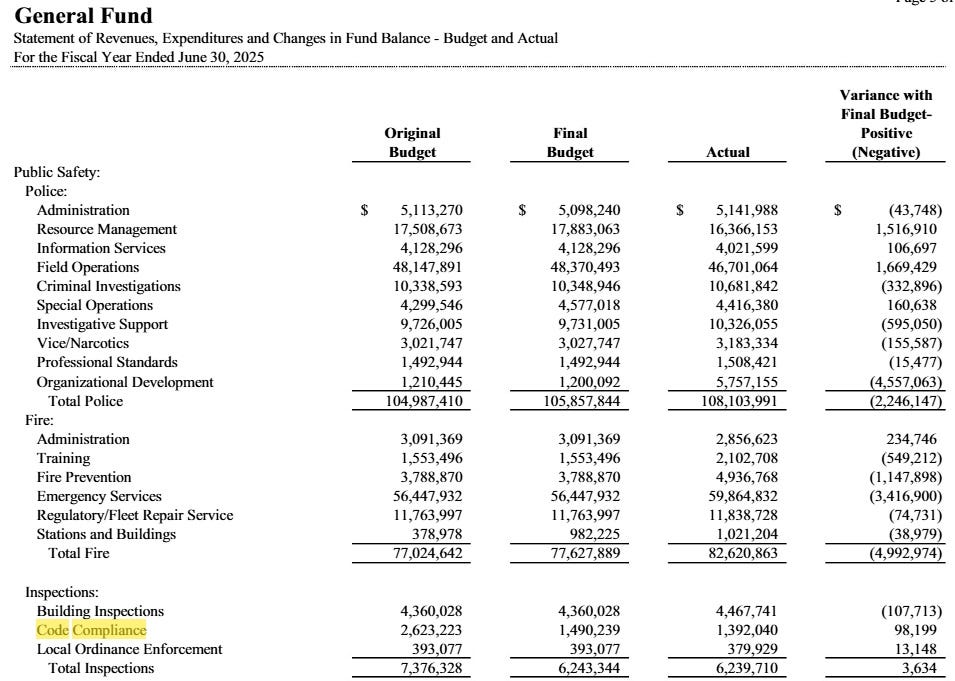
According to the City of Greensboro’s Housing & Neighborhood Development Annual Report for FY 2024-25, City Manager Nathaniel “Trey” Davis reorganized the Housing and Neighborhood Development Department soon after taking office in October 2024.
The entire Code Compliance division was moved out of the Housing and Neighborhood Development department and into the Executive Department led by City Manager Trey Davis, a bureaucratic shuffle consolidating enforcement control directly under Greensboro’s top executive with close ties to TREBIC, the Triad Real Estate Building Industry Coalition led by former NC House of Representative and former deputy Majority Whip Jon Hardister.
A registered lobbyist, Hardister also represents North Carolinians for Texas Hold’em, #1 Amusements, Marty Kotis, Greensboro’s Chamber of Commerce and The North Carolina Folk Festival among others.
Jon Hardister with new City Council Crystal Black at a TREBIC event;

The data shows a rising tide of housing complaints after cutting Code Compliance funding by almost half and reorganized directly under Trey Davis. It is the definition of maladministration, by an individual clearly connected to the Zack Matheny/DGI SBI investigation;

Revenue from code violation fines dropped with the city noting the decreases were “primarily due to a reduction in code violation fines.” The enforcement tool itself was disarmed by the City Manager.
Layer 3; “A System Designed to Fail”
The data and budget cuts are symptoms. Public Integrity Watch investigative reports provide the diagnosis; a calculated, years-long campaign to dismantle tenant protections.
The primary weapon in the campaign has been the neutering of the Minimum Housing Standards Commission (MHSC), the citizen board meant to be a powerful, independent watchdog for tenants. Evidence;
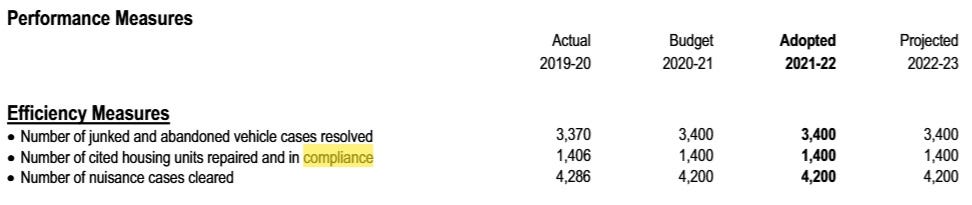
Greensboro’s Budgets included the “Number of cited housing units repaired and in compliance”;
19-20; Actual = 1,406; Budget for 20-21 = 1,400; Projected for 22-23; 1,400
Nathaniel “Trey” Davis served as an Assistant City Manager for Public Safety in Greensboro, NC, starting in June 2019, a role from which he was promoted to City Manager in October 2024.
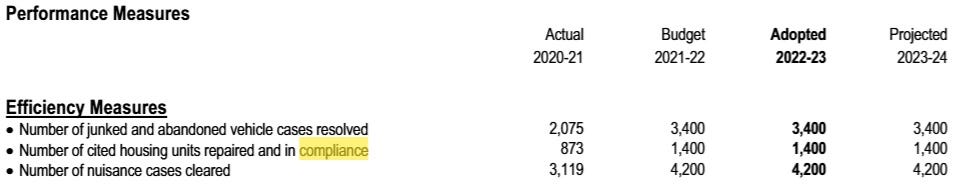
20-21; Actual = 873; Budget for 21-22 = 1,400; Projected for 23-24; 1,400
873 is 37.91% less than 1,406;
21-22; Actual = 1,103; Budget for 22-23 = 744; Projected for 24-25; 800

22-23; Actual = 819; Budget for 23-24 = 828; Projected for 25-26; 869
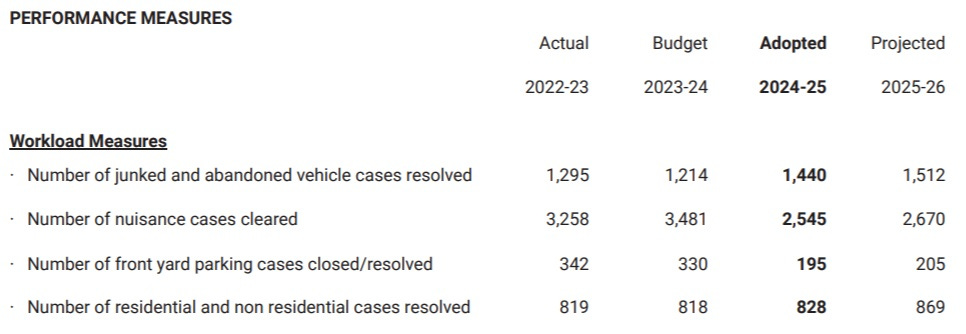
23-24; Actual = 920; Budget for 24-25 = 828; Projected for 26-27; 1,014;

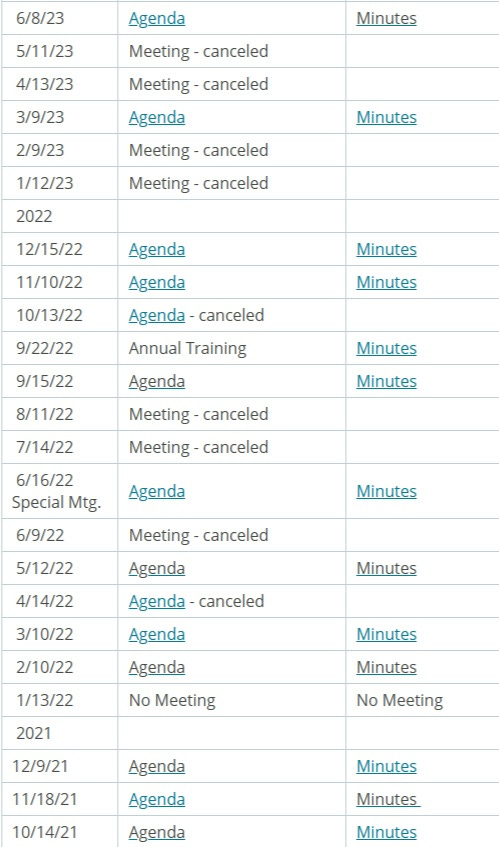
Compare to a pic of the cancelled MHSC meetings; Since 2022, 40-58% of MHSC meetings were canceled;
City Manager Trey Davis at TREBIC functions;


Of the 124 open multifamily apartment complex cases, it is likely that zero made it to the public commission. The reports point directly to the Triad Real Estate and Building Industry Coalition (TREBIC) and City Manager Trey Davis. Budget cuts, fewer cases, weakening the MHSC and shielding landlords from accountability to increase profitability all reads like a TREBIC wish list, implemented by Davis.
The evacuation at “The District” is a microcosm. It had an open code case since June 2025. It was never brought before the MHSC. A “routine” inspection failed to find grave dangers. The system performed exactly as designed; it looked away until the wires were literally burning.
From Data to Accountability
This is not a story of bureaucratic incompetence. It is a story of deliberate choices. The data provides the evidence.
Hundreds of open cases are not a backlog; they are a casualty list. Each case number corresponds to a family living with leaks, pests, faulty wiring and mold because a decision was made that landlord profit mattered more than resident safety.
The dismantling of code enforcement in Greensboro is a scandal hiding in plain sight. It is a betrayal of public trust that made housing unsafe for thousands. Data, finances and testimony now converge to form an undeniable record. The question for every city leader is no longer technical, but moral; How do you justify a system engineered to endanger the people it was built to protect?
Please share these investigations to demand accountability.
Related;

Methodology & Sources
This analysis reviews 336 open City of Greensboro housing code cases (Jan 2026), the city’s FY2025 Budget and CAFR, and reporting from Public Integrity Watch. Case ages were calculated from entry dates; multifamily units identified through address patterns.
Nature of Work: This is analytical opinion and investigative commentary—not peer-reviewed research or official reporting. It synthesizes public data to analyze housing enforcement issues and advocate for accountability.
Sources: Public housing code case data, city budget documents, and investigative journalism. Multifamily designations are author estimates based on address patterns. Specific case delay reasons aren’t publicly detailed. Budget-outcome correlations are interpretive, though grounded in aligned evidence.
Attribution: Builds on Public Integrity Watch’s reporting. Quotations used under fair use for criticism and news commentary.
Perspective: Takes a critical stance on city enforcement policies, questioning official narratives based on data-narrative gaps.
Disclaimers: Not legal or professional advice. Tenants should consult legal aid organizations. Governmental process descriptions may be incomplete.
Good Faith Statement: Conducted with commitment to factual accuracy. Author welcomes corrections with evidence and encourages readers to consult primary sources and form independent judgments.