
Updated; A System Designed to Fail; "The District" Apartments Evacuation Was No Accident; How Greensboro’s Gutted Oversight Was Sabotaged and Put Our Most Vulnerable Residents In Harm’s Way
The Blueprint for Neglect; How a Lobbyist, City Hall and Cancelled Meetings Left Greensboro Renters in Danger

The emergency evacuation of The District apartments wasn’t an accident. It was the predictable result of a years-long campaign to dismantle tenant protections; a campaign that continues to operate a bureaucratic bottleneck, keeping hundreds of complaints from ever reaching transparency of process or accountability.
In Greensboro, a city wrestling with an affordability crisis and aging rental stock, the safe harbor of home nearly became a death trap for 180 people. The story of “The District at West Market” apartments, where residents fled severe electrical fire hazards in what an official called “a miracle” no one was hurt, is a stark emergency. But not a surprise.

On November 19th, a “routine” city inspection found only minor violations, deeming the building “nothing out of the ordinary”. There has been a case opened and ongoing since June 20, 2025;
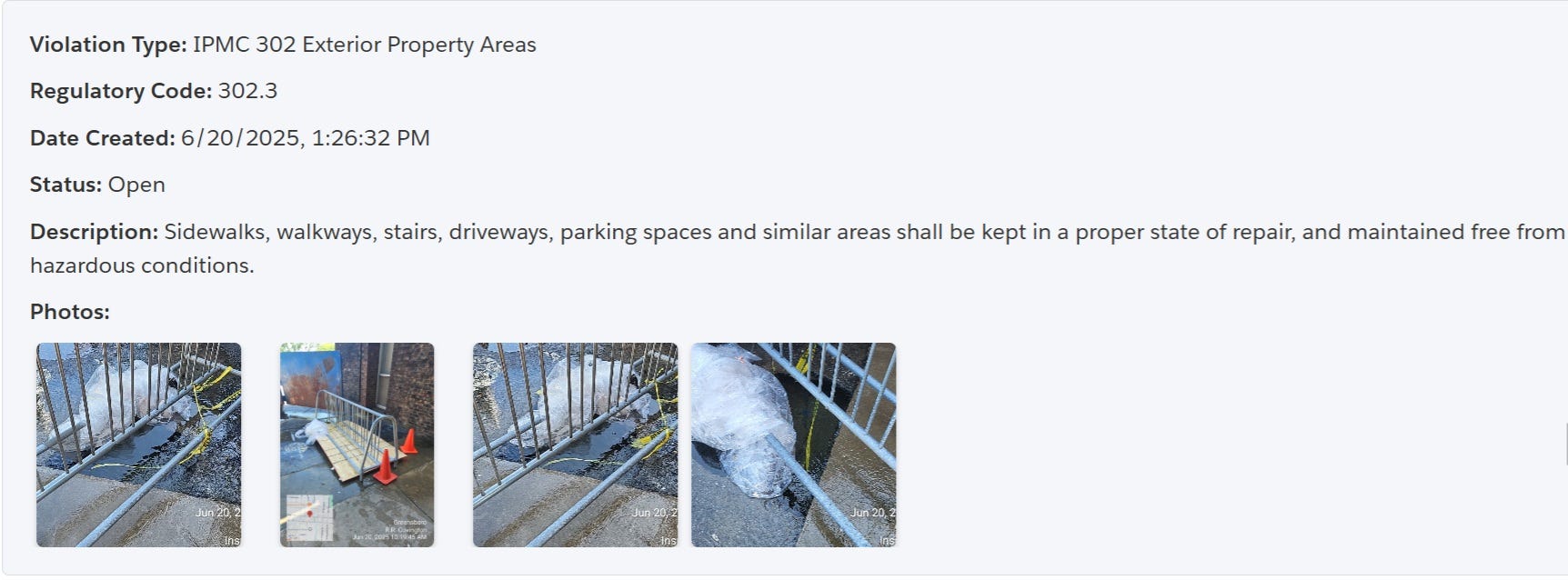
https://greensboro.my.site.com/ces/s/explore-casedetails?caseId=500Vq00000NIW95IAH
However, just weeks later, after residents flooded the city with complaints about a lack of power and heat, emergency inspectors discovered a “dangerous and possibly life-threatening situation”. They found burning wires, circuit breakers that could no longer prevent a fire, and evidence of unpermitted work. This rapid deterioration from a “passing” inspection to a condemned building suggests systemic neglect.
Investigative reports argue this was not an accident but the result of a gutted oversight system. They point to a political decision to strip the city’s independent housing commission of its ability to act in public, leading to bottleneck of hundreds of unresolved complaints. The situation underscores a broader failure where a culture of non-compliance, enabled by weakened deterrence puts lives at risk.
It is the direct, foreseeable consequence of a City Council appointed political commission methodically stripped of its power to see, to question and act. Newly revealed data shows that for hundreds to thousands of other Greensboro renters, the system leaves them as collateral damage. Complaints appear to have been filtered into an administrative oblivion behind closed doors.
This is the story of how Greensboro’s housing oversight was deliberately weakened before The District happened.
Greensboro Built a Bureaucratic Wall Between Tenant Complaints and Accountability
The Catalyst; “One of the Worst” Electrical Situations Ever Seen
The scene at The District was one of pure negligence. Fire inspectors discovered burned wiring, faulty breakers and melting electrical panels. Sporadic blackouts had stranded residents in elevators for months. The system was, in the words of Strategic & Crisis Communications Manager Eric Chilton, so severely faulty that a private electrical company refused to even inspect it for fear of liability.
This decay did not happen overnight. It happened over months of ignored tenant complaints, in a void of proactive oversight. As one fire inspector stated, it was one of the worst electrical situations he had ever witnessed.
The city had no choice but to condemn the building and displace 180 residents. The urgent question is; Why was there no system in place to catch this before it reached a crisis?
The Political Sabotage; Gutting the Watchdog Weeks Before the Fire; How the City’s Housing Commission Was Neutered as Complaints Piled Up
Weeks before this emergency, Greensboro’s former City Council voted to neuter the city’s primary defense against such slumlord conditions; the Minimum Housing Standards Commission (MHSC).
At the request of Triad Real Estate and Building Industry Coalition (TREBIC) President Jon Hardister, and advocated by City Manager Trey Davis and the City Attorney’s office under Lora Cubbage, City Staff withheld cases from the commission, the Council passed an ordinance stripping the citizen-led MHSC of its core powers and removed MHSC Chair Franklin Scott for behavior he didn’t appear to exhibit during his last meeting.

The MHSC can no longer accompany inspectors into rental properties. Commissioners, the independent “eyes and ears” for Greensboro’s tenants, are now forced to rely solely on reports from compromised city staff, who have been cultivated by the industry they’re supposed to regulate.
How Greensboro Silenced Its Housing Watchdog as a Crisis Exploded
The data shows a clear and significant increase in the frequency of cancelled meetings over time, limiting the commission’s ability to perform its oversight duties. The operational collapse of the Minimum Housing Standards Commission (MHSC) is starkly visible in its meeting records. In 2021, a single meeting was cancelled due to the extraordinary circumstance of the COVID-19 pandemic, reflecting normal civic function;
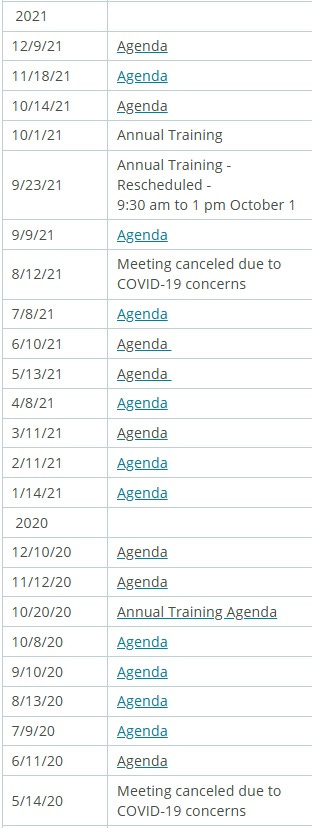
This pattern shattered starting in 2022, when cancellations became the new standard rather than the exception;
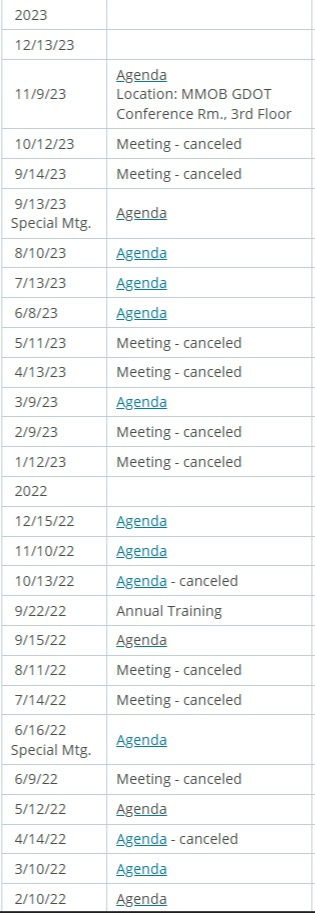
From 2022 onward, the commission failed to convene for 40-58% of its scheduled meetings each year, with a majority of meetings cancelled in both 2024 and 2025;
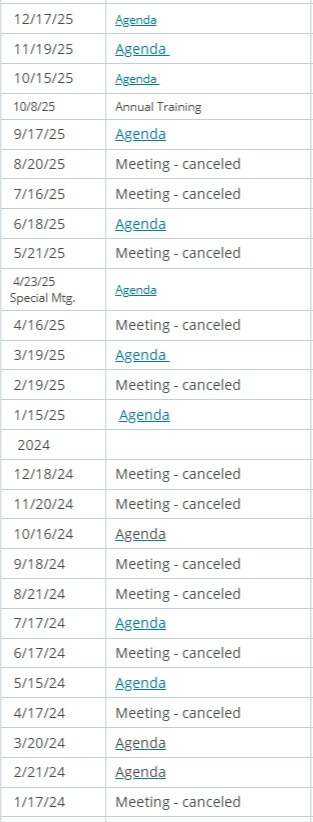
This was not sporadic dysfunction but a sustained breakdown. In 2025, the commission was silenced in February, April, May, July and August; precisely as hundreds of active housing cases piled up with no forum for resolution.
The Bureaucratic Bottleneck; How 381 Complaints Disappear; A coordinated effort to protect negligent landlords, leaving the city’s most vulnerable residents to live in deplorable conditions
The gutting of the MHSC enabled a bureaucratic process where tenant complaints are systematically filtered out before they can trigger serious consequences. An internal email from Senior Code Compliance Manager Christie Holt to ousted MHSC Chair Franklin Scott reveals the mechanics.
As of December 9, 2025, the city had 381 active housing cases, yet 50% (7 out of 14) of the scheduled MHSC meetings have been canceled so far this year. Of these, Holt noted that “not all cases currently have—or will ultimately have—sufficient violations to proceed through the full housing process.”
This admission is the functional result of the MHSC’s emasculated authority. City Staff now pre-determines which complaints are “sufficient” to warrant the full legal process, creating a massive bottleneck long before the independent commission can review a case.
For the 69 cases identified in multi-family complexes like The District, the city’s preferred tool is telling. Holt wrote: “we rely more heavily on Civil Penalties to achieve compliance, as it is neither practical nor appropriate to demolish apartment complexes or displace families.” Franklin Scott, removed as MHSC Chair by a City Council voice vote without evidence, but based solely on the word of Mayor Marikay Abuzuaiter and City Attorney Lora Cubbage, said “The only apartment case we had was either in 2023 or 2024 for a washer/dryer facility that was added to an apartment complex. We had to demolish it because no permits were pulled and it was a fire hazard. That’s the only non single family home case case I recall since I joined the commission in 2021.”
Public Integrity Watch reviewed the video Abuzuaiter, Cubbage and Chief of Compliance Larry Roberts cited as evidence to remove Franklin Scott, and found no incident or verbal interactions which could remotely be used as cause for his public removal by a unanimous vote at the end of the first City Council meeting conducted by Marikay.
Reducing the forum where enforcement cases are heard and debated is a direct method of neutering an oversight body. The spike in cancellations aligns with the timeline of political efforts to restrict the MHSC’s powers.
The cancellation record contributes to the evidence of a systemic pattern where political action, internal policy and operational practice all converge to limit accountability for substandard housing conditions.
The policy created industry-friendly outcomes; relying on modest, often unenforced monetary fines instead of pursuing repair or threats of demolition orders through the empowered MHSC. It allowed negligent landlords to treat penalties as a minor cost of business, avoiding renovations accountability would demand.
The justification for these changes shifted like sand. An investigation by Public Integrity Watch found City Attorney Lora Cubbage gave three contradictory reasons for the amendments in a one-week period. When asked directly who ordered the changes, Cubbage refused to answer. The only consistent thread is that the changes perfectly mirrored the lobbying demands of TREBIC, the very group representing the landlords the MHSC is meant to oversee.
The Culture of Capture; “Staff Appreciation Nights” and Systemic Influence
This ordinance change and the bottleneck are not isolated events. They are the fruit of a deeply embedded culture of inappropriate influence.
TREBIC routinely hosts “Staff Appreciation Nights”; parties where the very city inspectors, plan reviewers and permit approvers whose decisions affect TREBIC members’ bottom lines are treated to free dinners, drinks and entertainment.
City Manager Trey Davis has not only attended these events but normalized them, sending a clear signal to the municipal bureaucracy that cozy relationships with regulated interests are acceptable. This is not gratitude; it is engineered familiarity and a classic tool of regulatory capture.

The erosion of trust extends to silence from expected allies. Councilman Hugh Holston, the CEO of the Greensboro Housing Coalition, has been conspicuously quiet as the MHSC was dismantled. Campaign finance records reveal Holston has accepted multiples of contributions from TREBIC-linked PACs and individuals.

The New Guard; A Councilman with an Untenable Conflict
The pattern of industry entanglement continues with the newest members of city leadership. Councilman Adam Marshall, a partner at the TREBIC-member law firm Law Firm Carolinas, exemplifies the blurred lines between public duty and private interest.
Public Integrity Watch documented Marshall’s 2025 campaign contributions were overwhelmingly funded by real estate, development, and construction interests. The conflicts are not theoretical. An official objection was filed when Marshall was set to vote on a zoning item advanced by Amanda Hodierne, Past-Chair of TREBIC. State law and the city’s own ethics code are clear; such close associational relationships compromise independence.

A System Working as Designed, For Landlords
The evacuation of The District apartments is a case study in failed governance. It reveals a system where;
The Law is Weaponized; The city attorney’s office provides shifting, legally dubious justifications to roll back oversight.
Oversight is Bureaucratized; A bottleneck of 381 cases is managed by staff who decide which are “sufficient,” while the independent commission is barred from investigating.
Enforcement is Sterilized; The preferred tool of uncollected civil penalties offers no deterrence to wealthy landlords, creating industry-friendly outcomes.
The Line Between Government and Industry has been Erased; Council members and staff are socially and financially enmeshed with the lobbyists they regulate.
The email from Code Compliance provides the concrete data that bridges the gap between the political decision to weaken the MHSC and the physical, dangerous outcomes for renters. It shows the system is working as designed, but the design is fundamentally flawed to protect profits, not people.
Greensboro narrowly avoided a mass-casualty tragedy. The 180 displaced residents and the 381 open cases are the canaries in the coal mine. The solution requires a radical restoration of integrity;
Rescind the MHSC ordinance changes and restore its inspection authority.
Reinstate Franklin Scott as MHSC Chair.
Eliminate the “sufficient violations” bottleneck and empower the commission to review patterns of neglect.
End “Staff Appreciation Nights” and enforce strict ethics recusals for officials with developer ties.
Aggressively collect unpaid penalties and use the full weight of the law on habitual offenders.
The question is not if another neglected property will reach the brink. The question is whether Greensboro’s leadership will finally choose the safety of its residents over the smooth operation of a captured system. The next warning sign may be our last.
The District apartments debacle is a direct result of prior restraint, meaning actions were taken by authorities to prevent free speech or action before it occurred. Kind of like a lie of omission.
City staff and the council looks to have imposed prior restraint on the housing oversight process. By stripping the Minimum Housing Standards Commission (MHSC) of its independent inspection authority and canceling half of its meetings via artificially justified excuses, they appear to have proactively prevented the commission from investigating, witnessing or publicly questioning deteriorating conditions.
A conjured censorship.
Related;


Disclaimer and Statement of Methodology
The preceding article is a work of investigative reporting, analysis, and political commentary. It is based on the author’s examination of publicly available documents, including but not limited to city ordinances, meeting agendas and minutes, campaign finance records, court documents, internal city emails obtained through public records requests and previously published news reports.
The opinions, interpretations, and conclusions expressed herein are solely those of the author. They are presented to foster public discourse, promote government accountability, and inform the citizenry of Greensboro. This article does not constitute legal advice.
Sources and Allegations;
Specific facts, figures, and quotations are attributed to their source documents or reporting.
Allegations of misconduct, negligence, or unethical behavior directed at individuals, organizations, or city processes are presented as the author’s interpretation of documented events and patterns. These are not statements of proven legal fact.
Legal Protections;
This article is protected speech under the First Amendment of the United States Constitution.
Any individual or entity named is presumed innocent of any criminal wrongdoing unless otherwise determined by a court of law.
The author asserts that this article is comprised of either (a) statements of factual information that can be proven true or false, or (b) statements of opinion based on disclosed facts, which are afforded full constitutional protection.
Fairness and Accuracy;
The author has made a good-faith effort to ensure factual accuracy. Parties referenced are invited to provide substantive corrections or clarifying statements for consideration.
The analysis centers on matters of significant public concern; the safety of housing, the integrity of governmental oversight, and the influence of lobbying on public policy.
Readers are encouraged to critically evaluate the arguments presented and to review the source materials independently.
I'm with you on this. It's very clear none of this is happening in a vacuum, and the consequences for those of us who live here will be felt for years to come.
Very informative. Seems the only tool to motivate City Government to adopt your recomendations would be lawsuits. You've got 300+ "injured parties" who were forced to relocate. Any plans for legal action?